
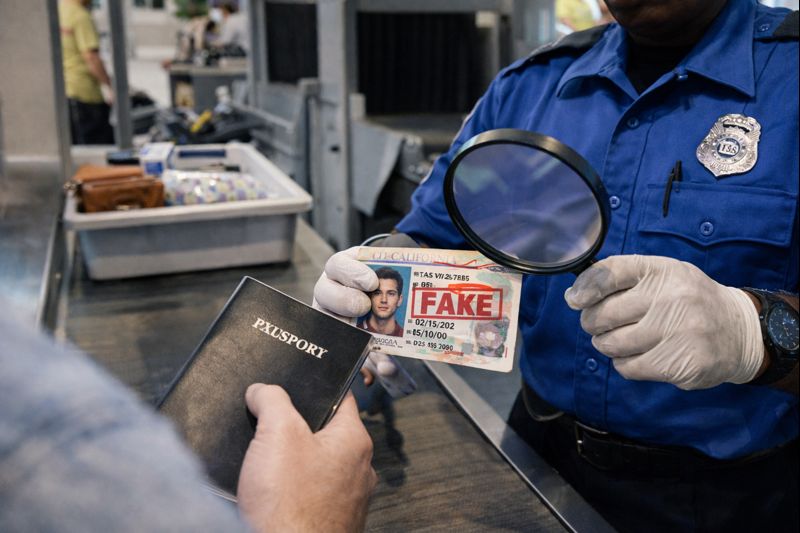
Using a Fake ID at Airport Security: The Real Consequences You Face
The phrase fake ID at airport security shows up in searches, but the reality is not a loophole. Airports use layered identity checks, and being flagged can lead to missed flights, questioning, or legal consequences. This guide is informational and focuses on how travel verification works and what lawful options exist. For a broader look at how ID checks work across settings, visit the ID verification hub.
If you are trying to understand how IDs are checked in general, see how staff spot fake IDs for a broader look at verification standards. For hotel check-in specifics, see fake ID at hotel check-in.
What This Guide Covers
- How airport identity checks are structured
- Why fake IDs are risky in travel settings
- Potential consequences if an ID is flagged
- Legal, reliable alternatives for air travel
How Airport Identity Checks Work
At the checkpoint, travelers present identification that is reviewed against standards for name, photo, and document format. Transportation Security Administration (TSA) officers are trained to identify irregularities and can use technology to validate elements of the credential. The goal is to confirm that the ID is valid and belongs to the person presenting it. Photo match is a frequent focus in screening; see ID photo standards and red flags.
For official guidance on acceptable IDs, refer to the TSA identification requirements.
Why Fake IDs Fail in Airport Settings
Even cards that might pass in low-scrutiny environments face much tighter review in airports. The inspection is not just about a barcode scan. Officers compare physical features, examine data consistency, and look for signs of alteration or fabrication.
- Mismatched data or formatting inconsistencies
- Photo or demographic details that do not align with the presenter
- Non-compliant document design or missing security features
- Irregularities that trigger secondary screening
What Can Happen If a Fake ID Is Flagged
Consequences depend on the situation and jurisdiction, but they often go beyond being turned away. Travel interruptions can be immediate, and legal consequences can follow later.
- Denied entry to the checkpoint or missed flights
- Questioning by security or law enforcement
- Confiscation of the document
- Potential criminal charges or citations
If an ID is taken, review the fake ID confiscation process.
For a broader view of legal risk, read fake ID risks and alternatives and the legal classification overview in is having a fake ID a misdemeanor?
REAL ID and Reliable Alternatives for Travel
Federal requirements for air travel have shifted toward REAL ID-compliant credentials. If you are not sure whether your license meets the standard, check the DHS REAL ID overview for current guidance and enforcement timelines.
- REAL ID-compliant driver licenses or state IDs
- U.S. passport or passport card
- Other TSA-accepted documents listed in official guidance
If you are waiting on a replacement, use official resources rather than shortcuts. The U.S. Department of State explains how to obtain a passport card at travel.state.gov.
Fake ID at Airport Security FAQs
Can you fly using a fake ID?
FAQAttempting to use a fake ID for air travel is illegal and can lead to denied travel or legal consequences.
Does a barcode scan make an ID acceptable for TSA?
FAQNo. TSA checks are not limited to barcode data. Officers review the physical credential and other indicators.
Do you need a REAL ID to fly domestically?
FAQRequirements depend on federal timelines and enforcement. Check the official DHS REAL ID guidance for current rules.
What if your ID is lost before a trip?
FAQReplace the document through official channels and review TSA guidance for acceptable alternatives. Avoid using false or altered IDs, which can create much larger problems than a missed flight.
Reminder
This content is for general information only, not legal advice. Laws and policies change, and outcomes vary by location.